BOV Technology · Machinery · Engineering · Local SupportAustralia · New Zealand · Pacific
MEITAR OCEANIA / ENGINEERED EQUIPMENTSemi-automatic systems
Back to equipment
Semi-automatic systems

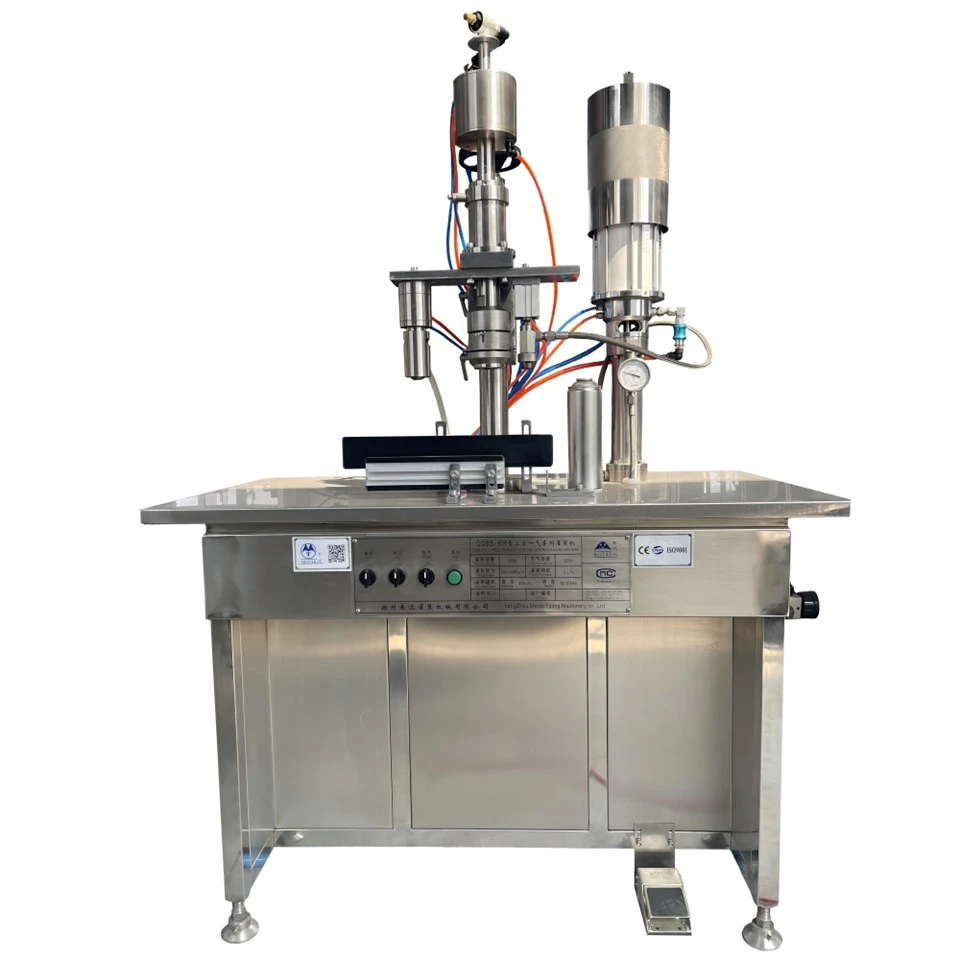
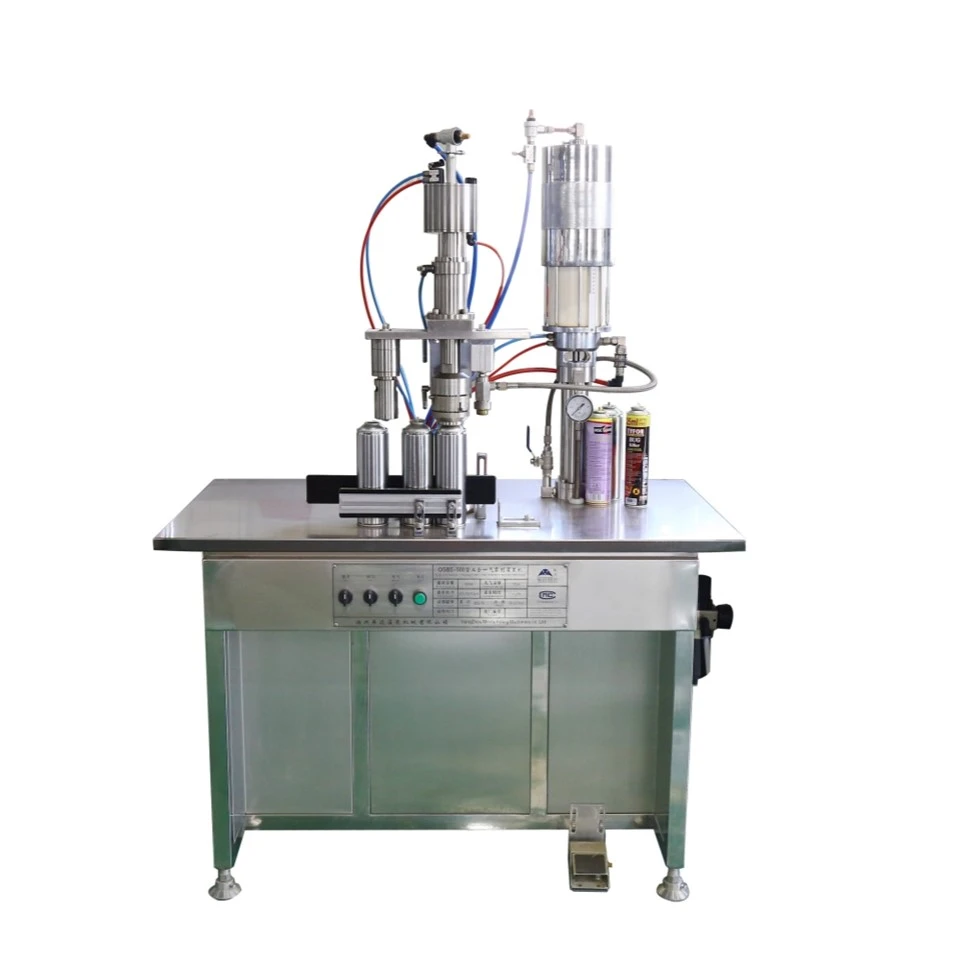
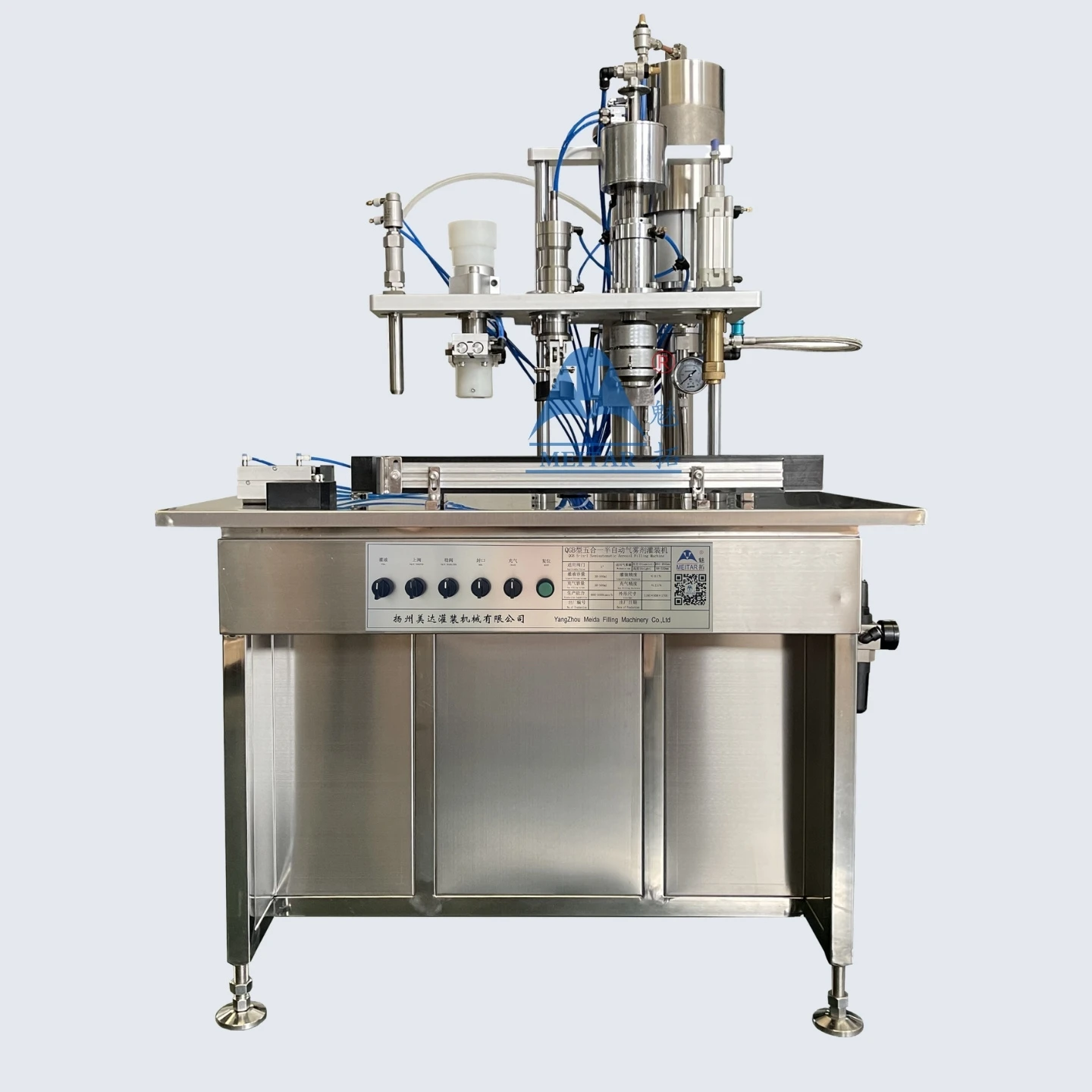
Hair Spray Aerosol Filling Machine

Filling Station: This part accurately dispenses the liquid product into the aerosol cans.

Configured project enquiryEquipment scope, configuration and commercial terms are confirmed for the selected project.
PUBLISHED TECHNICAL SNAPSHOTFull specification reference
Max. gas consumption
0.6 m³/min
Max.liquid filling volume
500 ml
Applicable aerosol can diameter
35~70 mm
Applicable aerosol can height
80~315 mm

Australia, New Zealand and Pacific enquiries are welcome. Delivery, freight and commissioning requirements are confirmed for the project.

Applications

For producers of finishing, volumising, texturising and other hair sprays, this machine covers the core aerosol steps: dosing liquid into the can, securing the valve, then introducing propellant gas. It is catalogued under the manufacturer’s semi-automatic range, but the page does not state which transfers or controls are operator-driven; confirm that workflow for the intended line.

Specification status
Technical detail can be confirmed on enquiry.

Compare a related configuration

Consider the 3 in 1 Aerosol Filling Machine as a configuration alternative, not a documented higher or lower model. Its page explicitly places the three heads on one platform and lets one operator activate all three functions by pedal or control-panel button. This Hair Spray machine confirms the same filling, sealing and gas-filling stages, but does not publish comparable layout or control details.

Compare 3 in 1 Aerosol Filling Machine

Key features

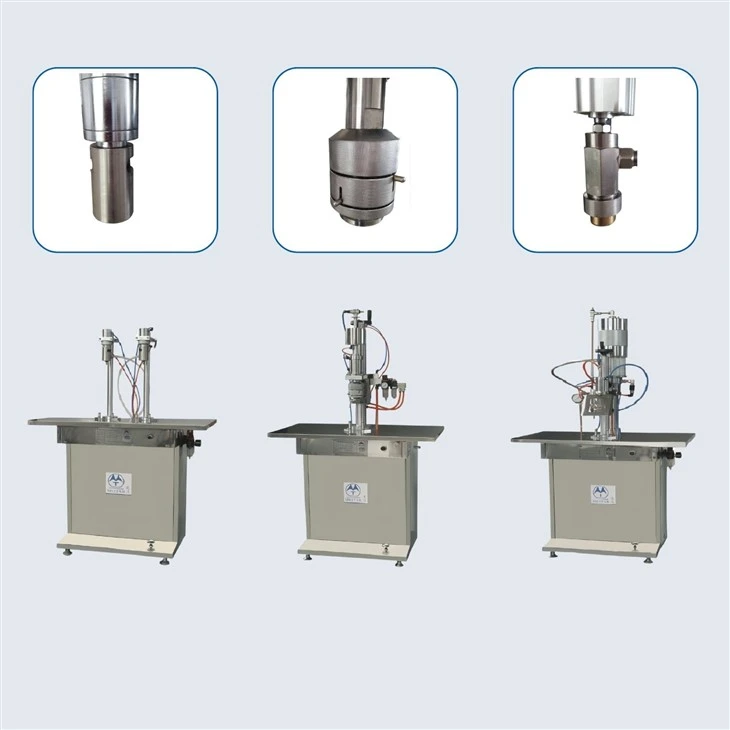
  • Filling Station: This part accurately dispenses the liquid product into the aerosol cans.
  • Sealing Station: After filling, the cans are transferred to the sealing unit, where valves are securely attached.
  • Gas Filling Station: This unit injects propellant gases, such as hydrocarbons or compressed air, into the cans.

Technical configuration

Manufacturer-published valuesProject scope agreed on enquiryMissing fields clearly identified

Published fields are retained from the imported manufacturer reference. Confirm the final configuration before order.

Container compatibility

Applicable aerosol can diameter
35~70 mm
Applicable aerosol can height
80~315 mm

BOV valve / bag compatibility

Applicable valve
1'' (25.4 mm)

Utilities

Electrical Components Check
Inspect wiring and electrical connections for wear, corrosion, or damage. Ensure that safety switches and emergency stops are functioning correctly.
Gas pressure
0.5~0.7Mpa
Max. gas consumption
0.6 m³/min

Dimensions & weight

Specification status
Technical detail can be confirmed on enquiry.

Automation level

Published automation wording
semi-automatic

Published specification reference

Imported source values are shown below without estimating missing specifications.

Inspection
Check for any visible signs of wear or damage. Ensure all connections are secure and that there are no leaks.
Cleaning
Clean the machine's exterior and interior components to remove any residual product. Pay special attention to the filling nozzles and valves to prevent clogs.
Lubrication
Ensure all moving parts are adequately lubricated according to the manufacturer's specifications. Check the lubricating oil levels in the lubricator and add oil as needed.
Functionality Check
Test the operational features of the machine, such as the filling, sealing, and capping functions, to ensure they are working correctly.
Detailed Inspection
Inspect seals and gaskets for wear and replace them if necessary. Check for any unusual noises or vibrations during operation.
Filter Maintenance
Clean or replace air filters and other filtration components to ensure optimal airflow and prevent contamination.
Calibration
Check the calibration of filling volumes and adjust if necessary to maintain accuracy.
Electrical Components Check
Inspect wiring and electrical connections for wear, corrosion, or damage. Ensure that safety switches and emergency stops are functioning correctly.
Pneumatic System Check
Inspect hoses and fittings for leaks or signs of wear. Test the pressure settings to ensure they are within the recommended range.
Comprehensive Inspection
Perform a thorough inspection of all machine components, including the filling heads, conveyor belts, and control systems. Look for any signs of corrosion or rust, especially on metal parts.
Calibration and Testing
Conduct full calibration of the filling system, verifying the accuracy of volumes dispensed. Test the machine under production conditions to ensure everything functions as expected.
Preventive Replacement
Replace any worn or suspect parts, such as seals, hoses, and filters, even if they appear functional.
Sealing diameter
26.5 ~ 27.5 mm
Sealing depth
5.0 ~ 6.0 mm
Applicable valve
1'' (25.4 mm)
Applicable aerosol can diameter
35~70 mm
Applicable aerosol can height
80~315 mm
Max.liquid filling volume
500 ml
Liquid repeat filling accuracy
≤±1.0%
Max. propellant filling volume
500 ml
Propellant repeat filling accuracy
≤±1.0%
Gas pressure
0.5~0.7Mpa
Max. gas consumption
0.6 m³/min
Production capacity
800~1200cans/hour

Production capability

The manufacturer lists production capacity as 800–1,200 cans/hour. It presents that as a range, not a typical or guaranteed result, and gives no published operating conditions for the figure. The same table lists 500 ml as the maximum liquid and propellant filling volume; those are volume limits, not a basis for calculating output.

Max. gas consumption
0.6 m³/min
Production capacity
800~1200cans/hour

Optional configurations

Configuration options are confirmed for the selected product and operating requirements.

Specification status
Technical detail can be confirmed on enquiry.

Support

Support requirements can be discussed as part of the equipment project. Scope and availability are confirmed on enquiry.

Installation & commissioning

Project support
Installation and commissioning requirements can be reviewed during project scoping. Any coordination, site readiness, integration, travel and acceptance requirements are agreed for the selected project.

Operator training

Project support
Operator and technical-personnel training requirements can be discussed in relation to the agreed equipment configuration and operating requirements. Scope, delivery method and timing are confirmed for the selected project.

After-sales support

Local engineering support
Servicing, troubleshooting, preventative maintenance and spare-parts requirements can be discussed for the selected equipment. Availability, response timing and parts holdings are confirmed for each project; they are not represented as guaranteed stock.
Discuss This System

What are you looking to build?

From individual machinery to complete production capability, talk to Meitar Oceania about your product, application and production requirements.